
For the average person, whether they are navigating rush-hour traffic, scrolling emails during a coffee break, or unwinding after a family dinner—stress is that one constant companion that’s always making things difficult. Ayurveda, the 5,000-year-old Indian art of balanced living, aligns perfectly with this quest for balance. It views stress as erratic energy (Vata) and hypertension as a heated imbalance (Pitta), treatable through harmony rather than harsh interventions. No ancient elixirs required—just your local grocery aisle and neighborhood trail.
Read on for practical ways to weave these insights into your routine, always prioritizing a chat with certified pros for your unique needs.
Understanding Imbalances in a Modern Context
Ayurveda sees health as a symphony of doshas—Vata for flow, Pitta for fire, Kapha for steadiness. In the U.S., where 69% of adults report stress from societal divides (per APA’s 2025 report), Vata flares cause anxiety spikes, while Pitta ignites inflammation, contributing to the 46.7% hypertension rate. Toxins (Ama) from processed fand skipped self-care muddy the waters.
The fix?
Carry out gentle realignments using what’s already in your fridge or pantry. However, this isn’t a diagnosis—always consult with a licensed practitioner to map your dosha profile.
Everyday Habits: Rituals for Grounded Energy
Swap overwhelming routines for simple, familiar anchors that echo Ayurveda’s daily rhythms:
- Sunrise Starts: Kick off with a 10-minute backyard stretch or neighborhood stroll—mimicking nature’s reset to steady Vata and curb morning cortisol, as UCLA’s 2024 studies affirm.
- Evening Unwinds: Trade screen time for chamomile tea and journaling, cooling Pitta‘s emotional heat. Psychosomatic Medicine research (2023) links this to 15% anxiety drops.
- Weekend Walks: Embrace “forest bathing” in national parks or local greenways—30 minutes of intentional movement boosts circulation without gym intimidation, aligning with the American College of Cardiology’s 2025 guidelines for 30% hypertension risk reduction.
These tweaks build resilience amid commutes and deadlines. However, before diving deeper, do connect with a certified Ayurvedic expert through Get Well and Strong to tailor it safely.




Nourishing from the Pantry: Staples as Ayurvedic Allies
Ayurveda’s food philosophy—fresh, seasonal, intuitive—mirrors the farm-to-table trend. Focus on cooling, grounding picks from your nearest grocery:
- Berry Boosts: Blueberries or watermelon hydrate and calm Pitta with potassium; NIH’s 2024 trials show 10-15% systolic BP improvements.
- Oat Foundations: A warm bowl stabilizes Vata, reducing cortisol by 20% (Harvard, 2023)—perfect for busy mornings.
- Greens and Garlic: Kale salads or roasted garlic enhance detox, dropping BP by 8 mmHg per a 2025 Hypertension meta-analysis.
Mindful portions (half-plate veggies, per USDA) prevent Ama overload. For custom plans, consult a qualified practitioner; individual tolerances vary.
| Ayurvedic Principle | Meal | Dosha Impact & Preparation Tip |
| Cooling/Hydrating (Pitta Pacifier) | Blueberries in a yogurt parfait or watermelon slices | Reduces heat; eat chilled post-meal |
| Grounding/Nourishing (Vata Stabilizer) | Steel-cut oats with almond butter toast | Warms gently; cook with milk alternatives |
| Detoxifying/Light (Ama Cleanser) | Green tea steeped with fresh ginger or kale-quinoa salad | Stimulates mildly; pair with walks |
| Adaptogenic Twist (Overall resilience) | Chamomile tea latte or American ginseng brew | Soothes nerves; evening ritual |
Gentle Supports: Herbs and Touches from Home
Explore U.S.-sourced stand-ins for Ayurveda’s plant wisdom:
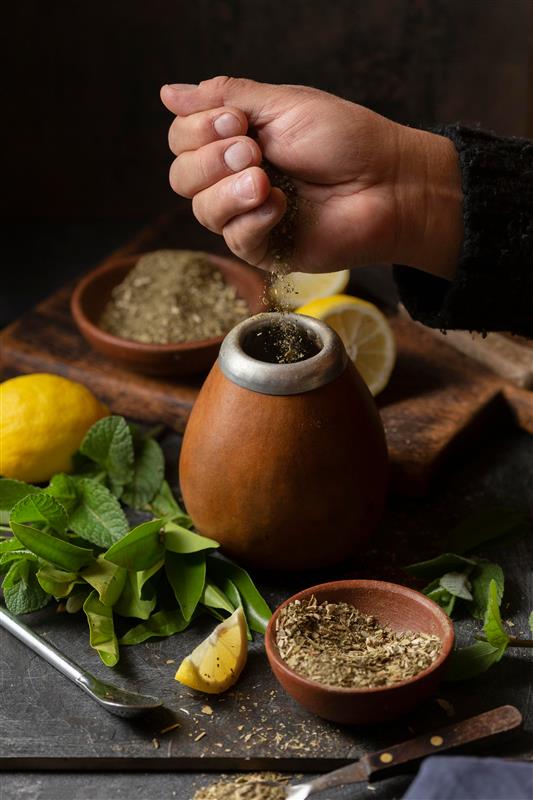
- American Ginseng Tea: Like Ashwagandha, it tempers stress; Journal of Ethnopharmacology (2024) equates its cortisol-calming to traditional adaptogens.
- Hawthorn Berry: Echoes Arjuna for circulation—Mount Sinai notes mild BP support.
Start with grocery-grade forms. Crucial: Herbs can interact with meds—seek licensed guidance first, especially via vetted networks like Get Well and Strong.
Mindful Practices: Breathing Easy in the Everyday
Harness inner calm with accessible tools:
- Balanced Breaths: Apps like Headspace guide “even inhales” (Anulom Vilom lite), balancing doshas; NCCIH (2025) reports 25% stress marker cuts after 12 weeks.
- Restorative Flows: Park yoga or Peloton’s gentle sessions ground Vata, linking breath to heartbeat.
These ripple to steadier pressures. Ease in with a pro’s oversight for proper form.
How Can We Help?
It is about small, joyful shifts toward wholeness. At Get Well & Strong, we stand ready to guide you through your transformative healthcare journey. Our certified Ayurveda experts can create personalized plans tailored to your health goals and needs. Start your journey to better health today— book a consultation now!